
A New York appeals court just handed insurers a wake-up call: ambiguous policy exclusions can cost you. On July 30, 2025, the Appellate Division, Second Department, sided with a property owner after her fire claim was denied due to unclear policy language.
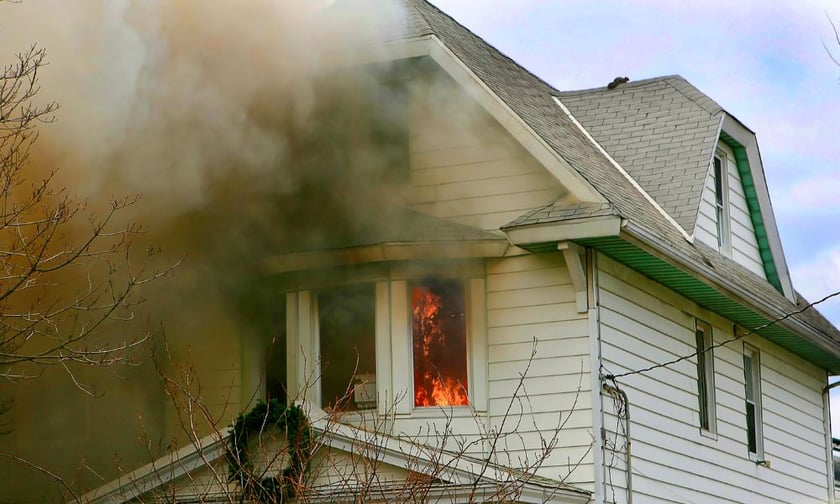
Here’s how it unfolded. Renee Eubanks owned a property in Queens, insured by the New York Property Insurance Underwriting Association. In December 2016, a fire broke out at her property. At the time, unauthorized occupants were living there. Eubanks filed a claim with her insurer, but coverage was denied. The insurer pointed to policy exclusions related to vacancy, occupancy, and increased hazard.
Eubanks didn’t accept the denial and brought a breach of contract lawsuit against the insurer. Both sides asked the court for a ruling in their favor without a trial. The Supreme Court, Kings County, denied both motions, so the dispute moved up to the appeals court.
The heart of the matter was the wording of the insurance policy’s exclusions. The policy stated that coverage would not apply to losses occurring “[w]hile a described building, whether intended for occupancy . . . is vacant or unoccupied beyond a period of sixty (60) consecutive days.” Another clause excluded losses “[w]hile the hazard is increased by any means within the control or knowledge of the insured.” These were found in the supplemental special provisions of the policy, which modified the original contract.
But there was a catch. The general exclusions in the policy’s Part A said the insurer didn’t cover losses “caused directly or indirectly” by certain events. However, the supplemental exclusions in Part C - where the disputed clauses appeared - didn’t use the same causation language. This left it unclear whether the vacancy or increased hazard had to actually cause the loss, or if it just had to exist at the time of the loss.
The appeals court found this ambiguity critical. The judges explained that when insurance policy language is ambiguous, especially in exclusions, the benefit of the doubt goes to the policyholder. In this case, the court found the exclusionary provisions were ambiguous because it wasn’t clear whether the vacancy or hazard needed to cause the fire or simply be present when it happened. As a result, the court ruled in favor of Eubanks.
The appellate court reversed the lower court’s order that denied Eubanks’ motion for summary judgment on her breach of contract claim, granting her relief. At the same time, the court affirmed the denial of the insurer’s motion to dismiss the complaint, since the ambiguity in the policy made a quick dismissal inappropriate.
For insurance professionals, this decision is a clear reminder: policy language must be precise. If there’s any doubt, courts are likely to interpret the policy in favor of the insured. This isn’t just a technicality - it’s a practical issue that can affect claims decisions and the insurer’s bottom line.
The Eubanks case is a sharp lesson in the risks of unclear policy wording. For the insurance industry, it’s a call to review those policy documents and make sure every exclusion is spelled out, leaving no room for confusion.





