
Nevada Senate Minority Leader Robin Titus and the National Taxpayers Union have refiled a legal challenge seeking to halt the implementation of the state’s public health insurance option, which is scheduled to take effect in 2026.
The renewed lawsuit alleges that the 2021 law establishing the public option violates multiple provisions of the state constitution. The plaintiffs argue that the law should have required a two-thirds majority vote in both legislative chambers, as it potentially generates or increases public revenue.
The suit also claims the statute violates the constitutional requirement that funds may only be drawn from the state treasury through a properly passed appropriation law and raises separation of powers concerns over alleged improper delegation by the executive branch.
The public option law would require insurers that submit bids for the state’s Medicaid managed care contracts to also offer health plans with lower premiums on the individual market.
Insurers bidding for Medicaid managed care contracts will be required to include individual market offerings, with plans expected to be available for purchase through the Silver State Health Insurance Exchange.
State enrollment projections estimate that approximately 50,000 Nevadans will enroll in the public option during its first year of availability. That figure could increase to as many as 100,000 by 2030, based on forecasts tied to market uptake and premium affordability.
Actuarial modeling associated with the law also projects that participating plans could see premium reductions of up to 15% over the first four years of the program.
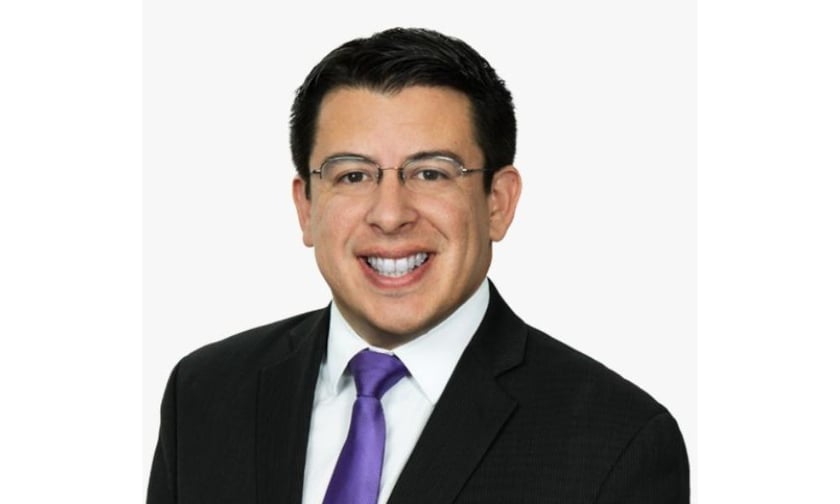
Joe Bishop-Henchman (pictured above), in-house counsel for the National Taxpayers Union, said the group has long supported the constitutional supermajority requirement for tax-related legislation.
“Regardless of where people might stand – I know people have different opinions on the health care industry – to us it is important that the supermajority requirement be protected," he said.
A previous attempt to block the law was filed in February 2024 by the same parties but was dismissed by Nevada District Judge Kristin Luis. At that time, the court found the plaintiffs lacked standing, had not identified a redressable injury, and ruled the case premature since the law had not yet been implemented.
Bishop-Henchman said the circumstances have since changed as contracts are now being signed and implementation steps are underway.
"This program is not speculative. It is ramping up to go into effect. That's why we thought this was the right time to move forward with the lawsuit,” he said.
What are your thoughts on this story? Please feel free to share your comments below.





