

Over the past five years, large corporates have had to navigate an unprecedented period of economic disruption, forcing a re-evaluation of risk management priorities.
From the COVID-19 pandemic’s impact on global supply chains to rising inflation and shifting geopolitical dynamics, companies are now seeking more strategic support from their insurers and brokers.
Senior executives from global insurance giants told Insurance Business that these pressures have reshaped client needs and elevated risk engineering services to a board-level concern. The result is a growing demand for deeper engagement and more proactive tools to help businesses withstand volatility.
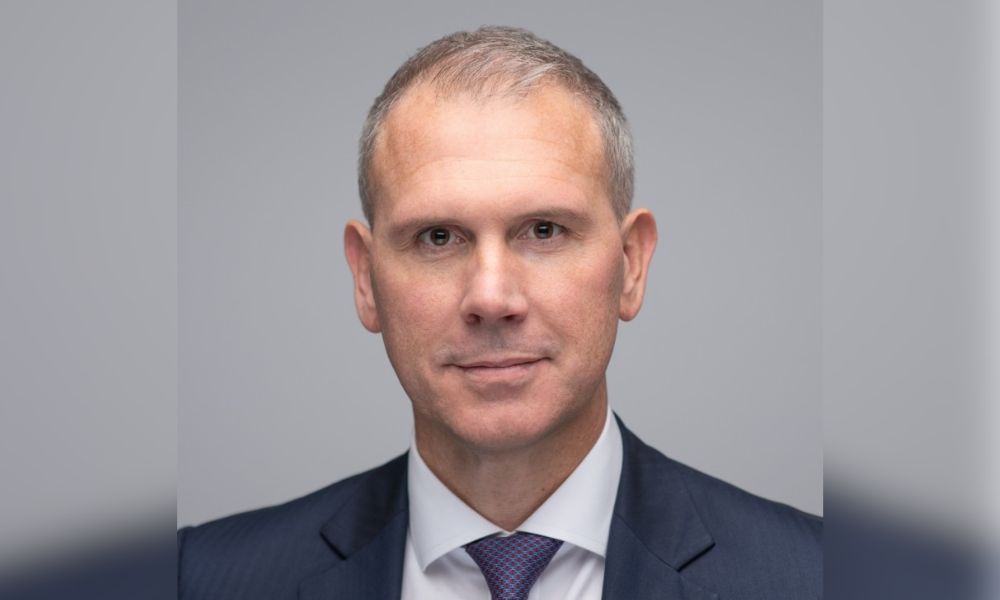
Matt Washington (pictured below), managing director of Aviva’s Global Corporate and Specialty (GCS) division in the UK, said the scale of macroeconomic volatility over the past five years has been transformational for the large corporate sector.
“Coming out of the 2020 pandemic period, there were immediate concerns around global supply chains as factories shut down temporarily. That disruption then fed into a phase of accelerated inflation,” Washington said. “While we’re now emerging from that, we still see considerable claims inflation in the market.”
He points to motor fleet insurance as a case in point. “The shift to electric vehicles means repair costs are higher,” said Washington. “That’s driving up claims expenses and ultimately premiums.”
Supply chain pressures persist, too, as conflict in the Middle East and disruptions to critical shipping routes, such as vessels being forced to divert from the Suez Canal, continue to impact clients’ cost bases and delivery timelines.
In response, clients are seeking protection on multiple fronts, prompting insurers like Aviva to step up their offerings.
“We provide everything from traditional property and casualty to emerging risks like cyber, D&O, and political violence,” said Washington. “As clients grow globally, we adapt our offering to match their evolving footprint.”
Risk engineering services on the rise as resilience becomes core business priority
A significant trend has been the pivot from passive coverage to proactive risk management. “Clients now want more than indemnity payments. They want advice, insights, and value-added services,” Washington said.
This shift is also playing out in professional lines. For example, solicitors purchasing professional indemnity coverage are increasingly turning to Aviva for help improving internal risk processes to reduce exposure. “That kind of consultative support is growing in importance,” Washington said.
Growth in risk appetite has been particularly strong in specialty lines such as renewable energy, marine (especially cargo and fine art/specie), construction, and crisis management. “We’ve launched new products in political violence and contingency cover, which have seen a surge post-COVID as major events resumed,” Washington said.
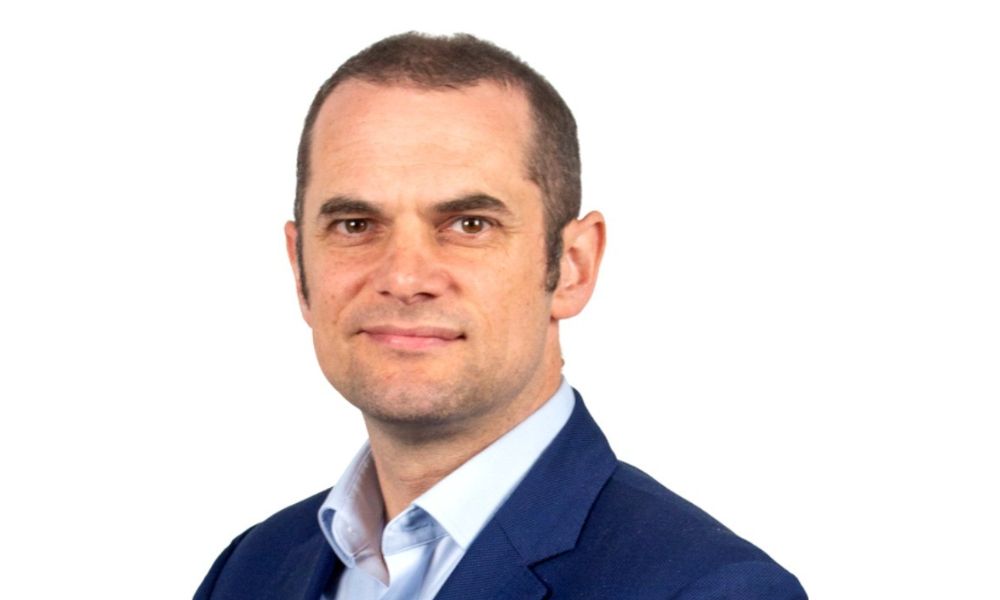
Apart from economic volatility, the geopolitical climate has further reinforced the need for long-term resilience, according to James Crask (pictured below), managing director of strategic risk consulting at Marsh.
“The world we operate in now is dramatically different from the one many governance structures were built for,” Crask told Insurance Business. “Decisions made a decade ago, like outsourcing to China, may no longer be optimal in a defense or national security context.”
This geopolitical change has led some companies to reconsider supply chain locations altogether. While reshoring manufacturing is politically popular, Crask remains cautious. He believes a full-scale return to Western industrial dominance is unlikely.
“Our economies have become service-driven,” Crask said. “We no longer have the infrastructure or labor force for a wholesale return to heavy industry. But we’ll see strategic investments in key sectors, like UK steel, that reflect a renewed focus on sovereignty and resilience.”
Crask concluded that the pandemic has led to a permanent shift in mindset. “I thought organizations might cut back on resilience planning after COVID,” he said. “Instead, the opposite has happened.”
With economic uncertainty becoming the norm for corporates, how can decision-makers distinguish between short-term risk mitigation and long-term strategic moves?
“That’s million-dollar question for most organizations right now,” said Crask. “Because things are so fluid, a decision made today might be completely inadequate tomorrow.”
In this context, Marsh advises clients to stress-test against possible scenarios and identify the most concerning risks.
“Every resilience strategy must be tailored,” Crask said. “Whether your supplier makes short-shelf-life products or capital goods, the viability of stockpiling or rerouting depends on your specifics.”
The good news is that risk managers are increasingly focused on visibility and data to understand where goods originate and identify weak points in their supply chain. This foundational risk analysis allows businesses to make informed decisions, especially when faced with rapidly evolving scenarios like changing trade rules or commodity shortages.
Crask also pointed to renewed interest in insurance tools that protect against more than physical loss.
“We're seeing clients using trade credit insurance not just to protect downstream transactions with customers, but also to help unlock resilience options upstream,” he said.





