
Montana insurance regulators are reviewing how property insurers handle coverage decisions amid rising concerns that wildfire risk is being used to limit or deny policies in areas without recent fire activity.
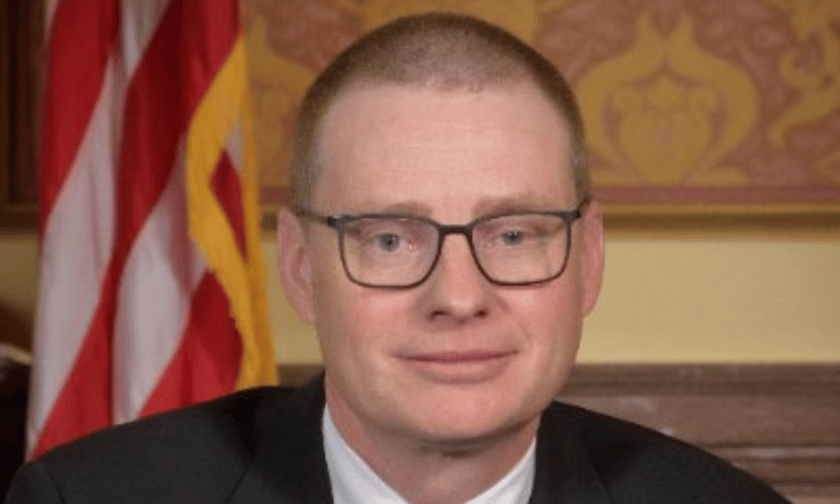
The state auditor’s office has received complaints from policyholders and agents claiming that some insurers are declining to write or renew property policies based on wildfire exposure, according to Commissioner of Securities and Insurance James Brown (pictured above).
Brown, as reported by Best Wire, said his office is monitoring whether such actions violate state insurance law, which bars insurers from restricting coverage based on geographic risk unless the specific threat has substantially increased. He warned that the office would pursue enforcement if companies are found to be out of compliance.
“Insurers are expected to make decisions... on a case-by-case basis and with reference to the degree the property involved is actually threatened by wildfire,” Brown said in a memo.
One example cited by the commissioner involved policy denials in Helena, where a recent fire burned fewer than 500 acres about 17 miles away, near Rimini. The Jericho Mountain Fire, started by lightning on June 15, did not damage any homes.
Montana has seen 955 wildfires so far this year, with 62 still active as of July 10, according to the state’s Department of Natural Resources and Conservation.
The review comes as insurers nationwide reassess their exposure to natural catastrophes. In some states, companies have pulled back from high-risk areas, citing higher claims costs and rising reinsurance prices. Regulators have expressed concern over access to coverage as a result.
Montana was among nine landlocked states with the worst median direct combined ratios for homeowners’ and farmowners’ insurers between 2012 and 2022, according to a December 2023 report by AM Best.
As of 2024, the five largest homeowners’multiperil insurers in Montana by market share were State Farm Group (23.35%), Liberty Mutual (16.25%), Farmers Insurance (12.97%), USAA Group (8.3%), and Travelers Group (7.53%), according to data from BestLink.
Brown did not name specific insurers but said the state will continue monitoring industry practices.





