
US employers are shifting their approach to employee benefits in response to ongoing economic uncertainty and rising healthcare costs, according to the latest benefits market report from Gallagher.
One of the report’s central findings is the growing pressure from healthcare costs. In 2025, 31% of employers made changes to enhance medical benefits to aid in talent attraction and retention, while 12% focused on improving pharmacy benefits. Adjustments to health and drug plans were reported by 31% and 26% of employers, respectively, as cost-control measures.
Employers are also exploring administrative changes. About 29% changed plan carriers, while 16% conducted eligibility or claims audits. A notable development is the rise in pharmacy carve-outs – 32% of employers are now contracting with pharmacy benefit managers, a 13-point increase from 2024.
The report also shows that employers are broadening coverage to address specific health needs. Coverage for hearing aids was reported by 59% of respondents. Applied behavior analysis therapy for children with autism is covered by 54%, and 44% provide coverage for other autism-related treatments. Bariatric surgery is covered by 45% of employers for qualifying members.
Reproductive health benefits are another focus area. About 48% offer infertility services or fertility treatments. Among those, coverage increased from 2024 for several services: fertility medications (84%, up two points), in vitro fertilization (71%, up two points), intrauterine insemination (54%, up three points), and fertility-related surgery (50%, up four points).
Evaluations by specialists remained steady at 69%, while cryopreservation coverage rose to 32%, a four-point gain.
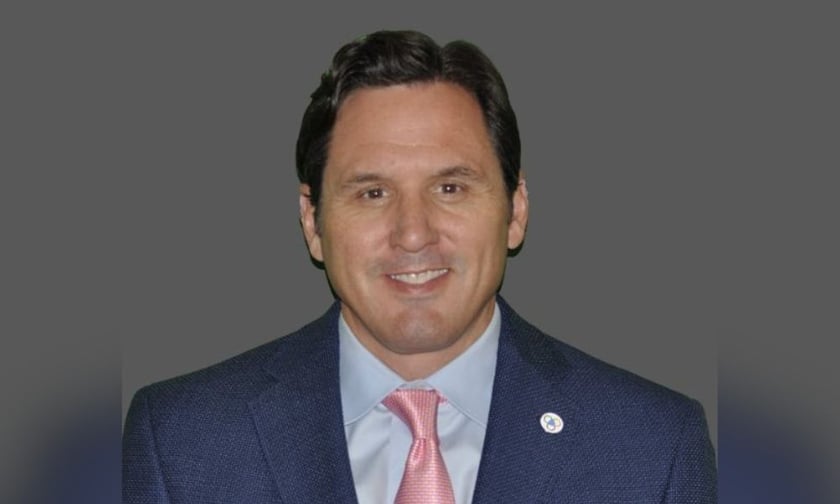
John Tournet (pictured above), US CEO of Gallagher’s Benefits & HR Consulting Division, said that employers are at a moment where rethinking employee care can influence competitiveness.
“To compete for talent, reinvesting benefit savings where it may matter most to employees can make a difference. Knowing that care encompasses all aspects of an employee's wellbeing from physical to emotional and financial needs, ensuring leaders have the right data to make informed decisions is more critical than ever," Tournet said.
Voluntary benefits are also being used to strengthen financial wellbeing strategies. About 67% of employers consider these offerings an essential part of their approach. Financial protection programs include identity theft coverage (39%) and legal assistance plans (38%).
Long-term financial security is another area of focus. Permanent life insurance options such as whole (36%), permanent term (35%), and universal (17%) are being offered. These policies often come with long-term care benefits that include support for home health care, adult day services, and assisted living.
"By embracing comprehensive wellbeing strategies, employers not only support their workforce's diverse needs but also pave the way for organizational success," Tournet said.
A previous report from Gallagher also points to internal challenges affecting HR teams. In 2025, 44% of HR leaders identified "change fatigue" as a top barrier to effective communication and HR performance.
The survey indicates that the frequency of organizational changes, combined with limited resources and employee burnout, is affecting how benefit programs are implemented and communicated.
What are your thoughts on this story? Please feel free to share your comments below.





