
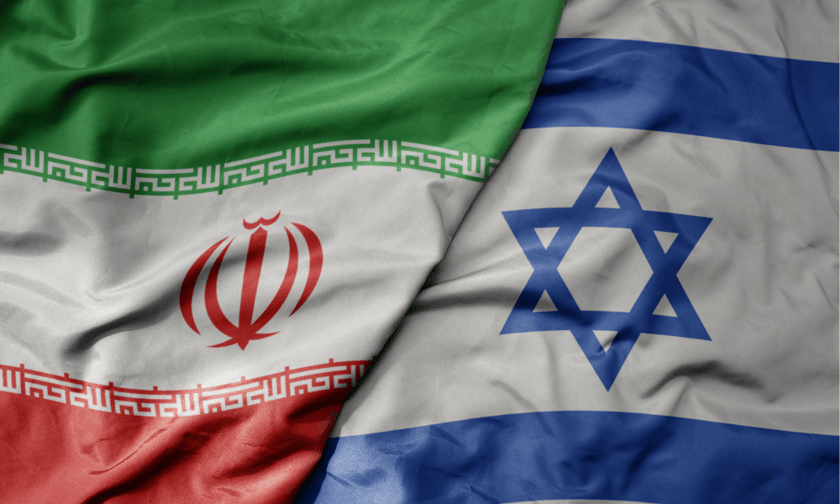
The London insurance market’s Joint War Committee (JWC) met on Wednesday to review the evolving security situation in the Middle East, following recent escalations between Israel and Iran.
The committee confirmed that while the geopolitical outlook is uncertain, no immediate changes will be made to the list of high-risk areas for marine insurance.
“Whilst the picture is concerning, maritime commerce is not currently being targeted directly by Israel or Iran and the seas remain open although the possibility of collateral damage and further Houthi intervention are factors,” said Neil Roberts, head of marine and aviation at the Lloyd’s Market Association and secretary to the JWC. “Insurers are very aware that the situation is still unfolding with no clear outcome discernible.”
Roberts added that the Listed Areas remain unchanged, as vessels operating in or transiting most of the Middle East are already subject to notification requirements. This allows underwriters to assess individual voyages on their own merits.
“The London market continues to support trade by providing coverage options for legitimate marine risks in the region. The situation will be closely monitored as things may change rapidly,” he added.
While there has been no formal expansion of the JWC’s Listed Areas, the ongoing tensions have led to a notable shift in insurance market behaviour. War risk premiums for vessels calling at Israeli ports have increased significantly, rising from about 0.2% to between 0.7% and 1% of the vessel’s hull value for seven-day cover. Rates for navigating the Strait of Hormuz have also seen increases of more than 60%, reflecting heightened risk assessments by insurers.
Underwriters are reviewing pricing and exposure terms more frequently, particularly for routes near potential conflict zones. Marine war coverage, typically written separately from standard hull and cargo insurance, is being adjusted, with underwriters exercising rights to cancel and rewrite terms on short notice.
Reinsurers are closely monitoring developments due to possible exposure through retrocession arrangements. A significant maritime incident in the region could increase pressure on reinsurance capacity and pricing across the marine war market.
International attention to the safety of maritime trade has also intensified. During a recent session of the UN’s International Maritime Organization, Israel and Iran exchanged accusations regarding threats to sea lanes, though no formal action against commercial shipping has been taken by either state to date.
The situation remains dynamic, particularly in areas such as the Red Sea and Gulf of Aden, where Houthi forces have previously targeted merchant vessels. The potential for renewed disruption has prompted brokers and shipowners to enhance voyage planning and reporting, with insurers requesting more detailed risk information before binding cover.
Despite the volatility, the London market continues to provide capacity for vessels engaged in legitimate trade, though with increased scrutiny and pricing adjustments. The JWC said it will continue to monitor the situation closely and will revise guidance if risks to maritime operations change materially.




