
As political violence ramps up worldwide, AEGIS London has introduced a Lloyd’s consortium to provide coverage for complex political violence risks, offering policy limits of up to $100 million.
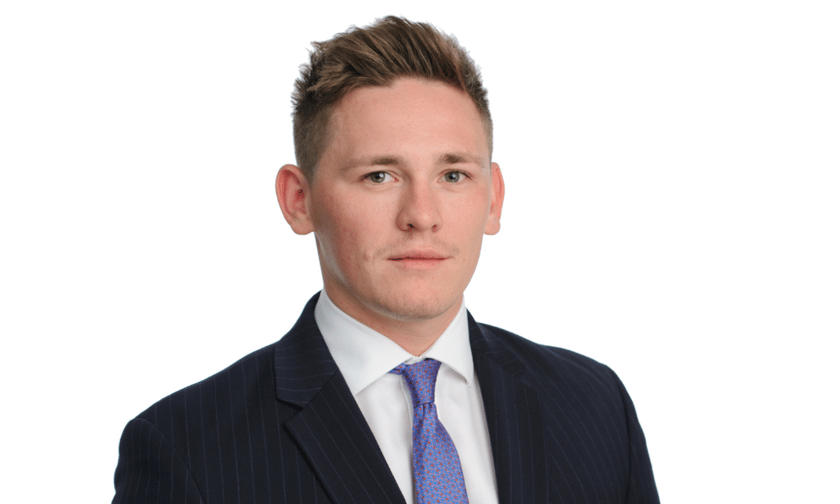
The new solution allows brokers and clients to secure political violence coverage through a single-source approach, according to James MacDonald (pictured above), war and terrorism class underwriter at AEGIS London.
The AEGIS London Political Violence Consortium covers a range of risks, including sabotage, strikes, riots, civil commotion, insurrection, revolution, war and civil war. Coverage is available for multiple sectors, including retail, industrial, leisure, financial, logistics, transport and construction.
MacDonald noted that geopolitical tensions and other global factors have led to increased demand for political violence and terrorism insurance. He stated that businesses are looking to secure new policies, while existing policyholders are seeking to expand their coverage. The consortium, he said, is designed to meet these needs by providing broader coverage and higher policy limits.
Matthew Yeldham, chief underwriting officer at AEGIS London, described the company’s political violence and terrorism underwriting team as well-regarded in the market. He said the product aims to provide businesses with the necessary coverage to manage political violence and terrorism-related risk.
The launch of this consortium enables AEGIS London to offer 100% coverage for risks, increasing its per-policy capacity from $60 million to $100 million.
The introduction of the new AEGIS London political violence offering comes as incidents appear to be on the rise globally.
For example, the lead up to the US election last year was particularly contentious. Reuters reported in October that there had been around 300 cases of political violence identified since Trump supporters stormed the Capitol in 2021 – that is in the US alone. Indeed the lead-up to the US presidential election saw the most sustained increase in political violence that had been seen since the 1970s.
On a wider scale, ACLED reported in its Conflict Index of 2024 that one in eight people were exposed to conflict during the year, while 50 countries were ranked for extreme, high or turbulent levels of conflict.



