
As climate-related catastrophic events become more frequent and severe, the demand for skilled insurance professionals in Atlantic Canada is rising – but the local talent pipeline isn’t keeping pace.
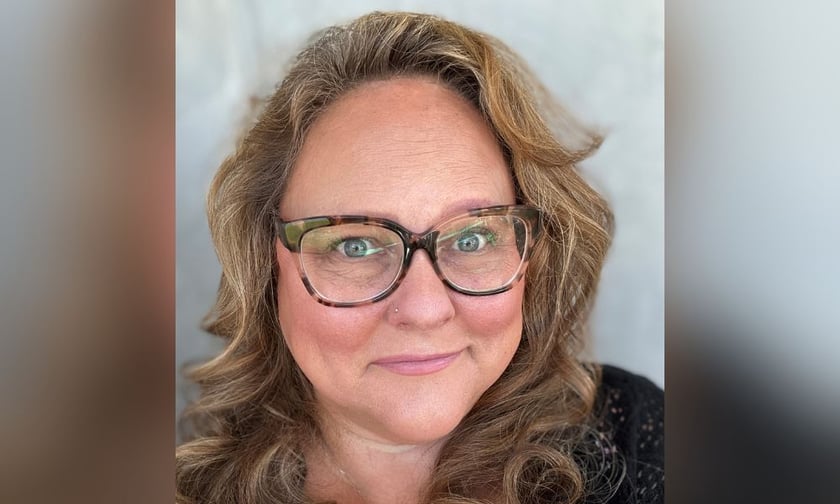
Andrea Phinney (pictured), recently appointed as executive general adjuster at Sedgwick in Halifax, sees the challenge firsthand. She says the region is grappling with the same national and global talent shortage affecting the broader industry, but with unique regional constraints that make the problem more acute.
“It’s maybe more acute here sometimes in Atlantic Canada because we’re a smaller market,” she told Insurance Business.
The demographic dynamic in the Maritimes is shifting. While the region has long struggled with talent retention, Phinney notes a recent wave of returnees and newcomers is changing the landscape.
That shift has fueled a construction boom in cities like Halifax, with new condos, apartments, and residential developments appearing at a rapid pace. But with growth comes complexity and risk. Insurers and adjusting firms in the region are now dealing with a growing volume of property and infrastructure exposures while trying to fill roles left open by a wave of retirements.
The competition for talent has only intensified due to remote work. Larger national firms offering fully virtual roles can attract Atlantic Canadian professionals without asking them to leave home – leaving local employers with fewer levers to pull in their recruiting efforts.
“We’re seeing a combination of retirements, limited local training pipelines, [and] growing competition from those national firms that are offering fully remote roles,” Phinney said. This, she added, creates “a tough environment for attracting and retaining skilled professionals” in the region.
Beyond immediate recruiting challenges, Phinney said the deeper concern is the growing knowledge gap within the Atlantic Canada insurance workforce. As seasoned professionals retire or approach retirement, there’s simply not enough incoming talent to replace decades of hard-earned experience – especially in specialized fields like commercial claims, catastrophe response, and field adjusting.
“You can’t replace 20 years of field adjusting experience overnight,” she said.
This shortfall is felt most acutely in technical roles that require long training curves and real-world exposure to complex claims environments. According to Phinney, the issue isn’t just one of volume, but of readiness. Even when new hires are found, getting them up to speed takes years – and the industry may not have the luxury of time as extreme weather and infrastructure risks accelerate.
Adding to the challenge is a persistent perception problem. Insurance still struggles to present itself as an attractive career path to young professionals. “Insurance isn’t always seen as the most glamorous or rewarding career path,” Phinney said, noting that this creates a disconnect between the opportunities available and the way the industry is viewed by students and early-career talent.
Still, she sees cause for optimism. Atlantic Canada’s strong sense of community has fostered several promising mentorship pockets – experienced professionals stepping up to guide the next wave. But she said those efforts need to scale significantly if the industry is going to close its talent gap before it widens further.
Phinney believes a more formalized, industry-wide approach is necessary: partnerships with schools, more flexible work models, and a focus on showing that insurance offers purpose, stability, and room for growth. “Everyone that’s currently in the industry has a responsibility to showcase this career path and advocate on its behalf,” she said.
Phinney said that 2023 may have been the most significant wake-up call the insurance industry in the Maritimes has faced to date.
The region was hit with a rapid sequence of catastrophic events, from fires and floods to hurricanes. While not all were historically severe on their own, their other characteristics pushed the industry to its limits. Phinney said the pace and breadth of those events exposed both strengths and pressure points across the claims ecosystem.
“The scale and the back-to-back nature of those events really revealed how stretched our industry can become,” she said.
Insurers and adjusters weren’t just facing technical challenges. They were managing thousands of claims while also dealing with their own personal losses. Phinney recalled industry colleagues who lost their homes, vehicles, and pets. Others, like herself, were forced to evacuate and work long hours from community evacuation centres – processing claims while handing out tissues and listening to stories of loss.
“I worked really long days, 12, 13, 14, 15-hour days at the local evacuation centre for about 14 days,” she said. During that time, she served as both a claims resource and a lifeline for residents, relaying real-time updates, confirming coverage, and helping distribute emergency funds.
Despite the immense strain, the system held – largely because of the people behind it. Phinney emphasized the resilience and compassion of those in the industry who stepped up when it mattered most. But the experience highlighted the need for structural change, especially as climate-related events become more frequent and more severe.
Catastrophe planning, she said, must go beyond single-event response. It now has to account for the reality of compounding disasters – where the second and third events hit before the industry has recovered from the first. That means fewer available vendors, ongoing supply chain disruption, and overextended adjusters still buried in claims.
“You have the same needs, but much less capacity now,” Phinney said. “You have to find capacity. You have to find those resources. You have to reinvent how you settle claims.”
For adjusters and insurers alike, that reinvention includes reevaluating triage protocols, exploring alternative settlement methods like cash-outs when appropriate, and being more flexible with preferred vendor networks to get insureds looked after quickly. In some cases, it means approving trusted local builders who aren’t on official lists – just to ensure repairs can move forward.
“You have to reinvent how you look at the policy and how you triage claims, and what you’re going to do to close some files, to create capacity internally,” Phinney said.



