The Insurance Council of Australia (ICA) has reviewed the Queensland government’s proposed Housing Code, offering feedback on its potential implications for property resilience and insurance risk.
The new code, which is intended to supersede the Queensland Development Code QDC 1.1 and QDC 1.2, introduces several changes to residential planning and construction standards.
The ICA acknowledged that the Queensland Housing Code is designed to make urban land use more efficient.
The changes would modify requirements around building height, setbacks, car parking, and private open space.
According to the ICA, these adjustments are a response to Queensland’s rising population and the need for housing regulations that accommodate evolving homeowner needs, particularly in new developments.
One notable change would allow new homes to be constructed 1.5 metres closer to the front boundary of a lot.
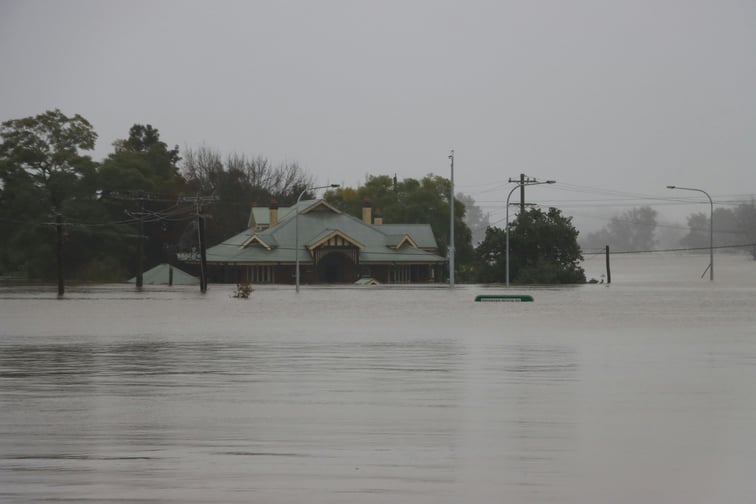
While this is intended to provide greater backyard space and improve the use of urban plots, the ICA urged the Department of Housing and Public Works to ensure that such modifications do not inadvertently increase exposure to flood risk, especially for properties located in lower-lying areas.
The ICA expressed reservations about the proposal to decrease the minimum side boundary setback from 750mm to 200mm.
The council noted that such a reduction could complicate property repairs due to restricted access and may increase the likelihood of damage spreading between neighbouring homes.
The ICA also pointed out that narrower side clearances could present additional hazards, including greater risk of damage transmission during adverse events.
The ICA reiterated its position that resilience should be a core consideration in housing regulations.
It has previously advocated for the integration of resilience standards into both the National Construction Code and state-level housing codes.
The ICA highlighted the financial impact of extreme weather events on the insurance sector.
Over the past five years, insured losses from such events in Australia have totalled about $22.5 billion, averaging $4.5 billion annually. This figure represents a significant increase compared to the previous five-year period.
Citing research from the Centre for International Economics, the ICA noted that incorporating higher resilience standards into the National Construction Code could result in annual savings of approximately $4 billion. These savings would be distributed across various hazards, including cyclones, floods, and bushfires.
Analysis by the ICA indicated that roughly 10% of Queensland properties – about 310,000 in total – face a significant annual flood risk, with at least 47,000 properties exposed to the highest risk category.
The ICA cautioned that as demand for new housing grows, there may be increased pressure to build in areas with higher exposure to natural hazards.
It recommended that the Queensland government reassess its risk thresholds for new developments, taking into account both the probability and potential consequences of extreme weather.
The council warned that insufficient consideration of these factors could result in higher disaster costs and increased insurance premiums for policyholders.
The ICA advised that regional development plans should prioritise construction in areas with minimal exposure to extreme weather risks.
It suggested that new housing should be restricted in locations with extreme flood risk, and that enhanced building standards or resilience infrastructure should be required in high-risk zones.
The ICA emphasised that these principles should be applied to all new homes built under the revised Queensland Housing Code.