
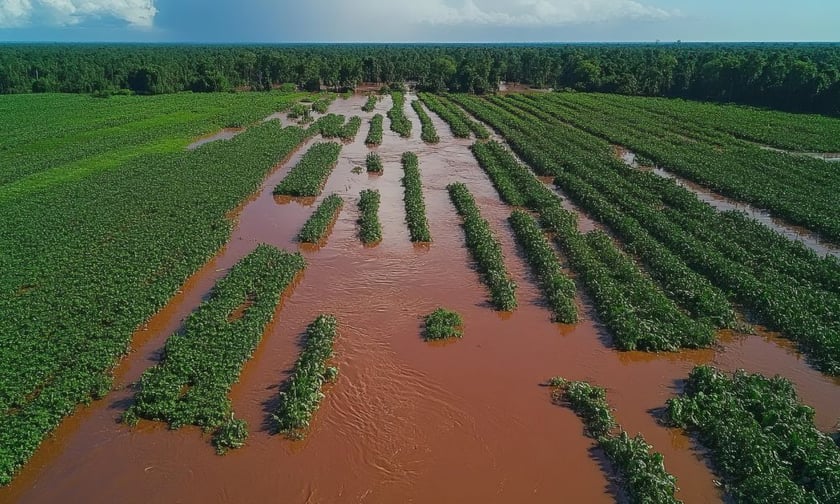
Tropical Storm Danas has led to renewed attention within the reinsurance industry as regional infrastructure and disaster response systems in Taiwan and China were tested by the storm’s impact.
The event caused agricultural damage of over NT$250 million (US$8.6 million) in Taiwan and power outages affecting nearly 400,000 households. Authorities in both countries also suspended major infrastructure activities as a precaution.
Taiwan’s southern region, especially Tainan, recorded the highest agricultural losses. Pomelo crops lost NT$118.4 million, while longans suffered NT$34.4 million in damages. Disruptions extended to the transportation sector, with canceled flights, suspended railway operations, and road flooding. In Fujian and Zhejiang, China, operations were suspended for 193 ferry routes and 104 water-based construction projects as part of preventive measures.
In Taiwan, insurers implemented temporary customer relief policies. KGI Life Insurance provided advance payouts for hospitalized policyholders. TransGlobe Life deferred interest payments on policy loans for six months. These actions reflect the ongoing cost pressures on insurers following climate-related events.
As insurance claims from disasters increase, reinsurance capacity and catastrophe bonds are gaining traction as risk management tools.
Reinsurance firms such as Aon and Marsh McLennan are positioned to respond to rising demand for risk transfer mechanisms. Catastrophe bonds, including those available through the AXA IM INFRA Cat Bond Fund, are becoming more relevant as investors and insurers look for diversified risk-bearing options.
Infrastructure investment as risk reduction strategy
Taiwan’s NT$10 billion plan for southern tourism infrastructure includes flood-resistant roads and greenways, presenting models for investment. Other infrastructure segments, such as decentralized solar energy systems and battery storage solutions, are being considered to minimize power supply disruptions. Railways and highways in landslide-prone or flood-prone zones are being upgraded, including work on Taiwan's Alishan Forest Railway and coastal networks in Zhejiang.
Tourism developments designed for environmental certification and climate risk mitigation are gaining investor attention. Public-private partnerships (PPPs) are being adopted more frequently to finance infrastructure projects, involving companies in renewable energy and water systems, including Siemens Gamesa and Veolia.
Moody’s estimates China’s annual typhoon-related economic losses at US$1 billion. A widening gap between insured and total economic losses points to an area of opportunity for reinsurance providers.
How is your firm preparing for the growing risk associated with climate-related events? Join the discussion below.



