
Financial literacy and retirement planning were among the issues highlighted in a joint report from The Society of Actuaries (SOA) Research Institute and Reinsurance Group of America (RGA) examining retirement preparedness and financial security in Japan.
The report outlines current trends in retirement planning and highlights demographic challenges facing the country.
The findings are based on a consumer survey conducted in November 2024 with 750 Japanese respondents. Participants were grouped into three age categories: prime age workers (ages 30–45), pre-retirees (ages 46–59), and retirees (ages 60–75). The data reflects perceptions and behaviors related to retirement readiness within each cohort.
Get the latest reinsurance news direct to your inbox twice a week. Sign up here
Japan's aging population continues to be a major demographic factor, with approximately 29% of its citizens aged 65 or older. The study indicates that a significant portion of the population remains underprepared for retirement.
One key area of concern is financial literacy. According to the report, 17% of respondents said they had no knowledge of investment or financial products, while 42% described themselves as not very knowledgeable.
Retirement planning also varied significantly by age group. The report notes that 37% of prime age workers and 45% of pre-retirees have not begun planning for retirement, compared to higher engagement among retirees.
Participants cited several external factors as major concerns post-retirement. A majority – 90% – expressed worry about tax increases and the implications of an aging society on government support systems.
The data also revealed a lack of confidence in savings, particularly among younger respondents. About 89% of Prime Age Workers and Pre-Retirees expect to rely on job earnings – either full- or part-time – as part of their retirement income.
Respondents showed a preference for lower-risk financial products. Lifetime guaranteed income was favored by 43% of participants, while 39% expressed interest in products offering fixed income during retirement.
Annuities drew considerable interest, with 73% indicating they would consider options with increased payments for critical illness or disability. A tax-deferred annuity attracted 65% interest.
Since 2018, engagement with retirement planning has improved. The proportion of respondents very involved in managing their retirement savings grew from 21% in 2018 to 50% in 2024. Interest in lifetime income products also rose from 22% to 35% over the same period.
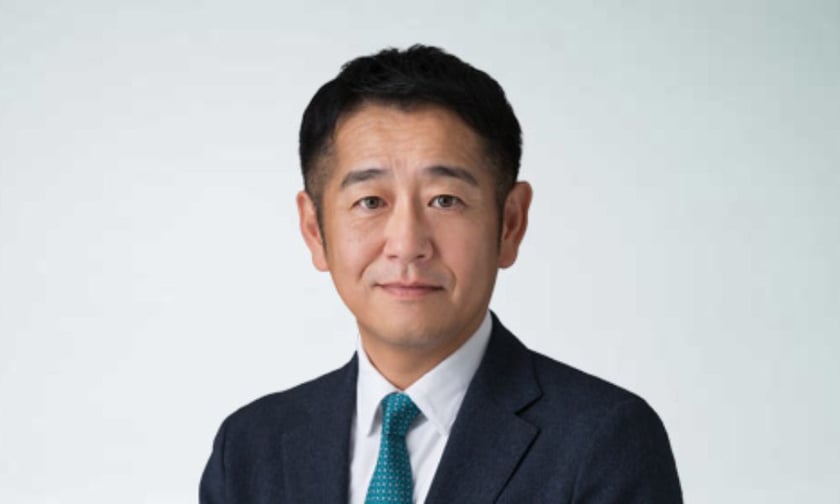
Hironori Takahashi (pictured above), CEO of RGA Japan, said the findings point to a demand for retirement solutions that address both income and health-related risks.
“The findings reveal significant opportunities for the insurance industry to develop tailored solutions that address the evolving needs and enhance financial security for Japan’s rapidly aging population of retirees,” Takahashi said.
Japan's insurance sector is expected to experience notable expansion, with the life insurance market projected to grow at a compound annual rate of 4.7% and reach approximately ¥50 trillion (about $371.2 billion) in direct written premiums by 2029.
The growth is expected to be driven by demand for products tailored to aging demographics and health-related financial security, areas highlighted in the SOA-RGA report.
Demographic pressures remain a primary concern for insurers in Japan. The country recorded over 700,000 more deaths than births in 2022, amplifying the long-term economic impact of a declining and aging population.
Broader shifts in consumer behavior are also anticipated as the global population ages. A report by the Capgemini Research Institute suggests that, by 2050, the dependency ratio worldwide will increase significantly, leading older adults to spend more on services and experiences rather than traditional purchases.
Industry experts are pointing to the "silver economy" as a developing area of focus across Asia. Insurance providers are being urged to collaborate with other sectors to address gaps in coverage and develop innovative products that reflect the evolving needs of older populations.
What are your thoughts on this story? Please feel free to share your comments below.
Get the latest reinsurance news direct to your inbox twice a week. Sign up here



