
Howden Re reported a continued moderation in property-catastrophe reinsurance pricing for the June 1, 2025, renewals.
Capacity selectively returned after a period of strong pricing, with reinsurers modestly expanding their appetite, primarily focusing on core relationships while maintaining underwriting discipline.
Changes in risk-adjusted rate-on-line ranged from flat to a 20% decline, depending on loss experience and attachment points. Despite downward pressure on pricing, most programs attracted subscription levels exceeding 100%, allowing cedents to push back against stringent terms and conditions seen in recent renewal periods.
Dedicated reinsurance capital reached US$463 billion by the end of 2024, reflecting a rebound in asset valuations and a recovery in retained earnings across the sector. The growth was further supported by increased interest from institutional investors, which has helped to sustain capacity levels in the property-catastrophe reinsurance market.
The property-catastrophe excess-of-loss (XoL) reinsurance market continues to adjust following years of market disruption. Capital inflows have increased, with new reinsurers and syndicates deploying significant capacity during the mid-year renewal.
Supply growth has continued to surpass demand, supported by improved reinsurer retained earnings and ongoing catastrophe bond issuance, including both new deals and upsized transactions at higher reinsurance layers. Remote-attaching catastrophe XoL layers experienced rate reductions between 10% and 20%.
Catastrophe bond issuance set a record in 2024, reaching US$17.7 billion, reflecting strong investor demand for insurance-linked securities. This surge has been instrumental in boosting available reinsurance capacity, particularly at the upper layers of programs where traditional reinsurers have maintained a more conservative approach.
The increased participation of alternative capital providers has introduced additional competition into the marketplace, contributing to rate adjustments and influencing the structuring of reinsurance programs.
Renewals this year were noted for early placements and selective structuring across reinsurance towers. An active insurance-linked securities (ILS) sector helped offset reduced participation from some traditional carriers.
According to Kyle Menendez, managing director at Howden Re, North America, the current environment differs from last year’s dislocation but also does not represent a broad market softening.
“This is drawing more interest from markets, including Lloyd’s syndicates with previously cautious balance sheets looking to grow incrementally,” Menendez said.
Outcomes varied across program layers. Top layers saw the most competitive pricing, with reductions in some cases greater than average, reflecting surplus ILS capacity. Cedents purchasing multiple layers or products concurrently were met with increased support from reinsurers opting to underwrite holistic programs rather than individual transactions.
Reinsurers also showed increased willingness to support property per-risk XoL placements and aggregate or multi-event covers. Cedents are showing greater interest in coverage for catastrophe event frequency, leading reinsurers to provide more aggregate and sideways structures.
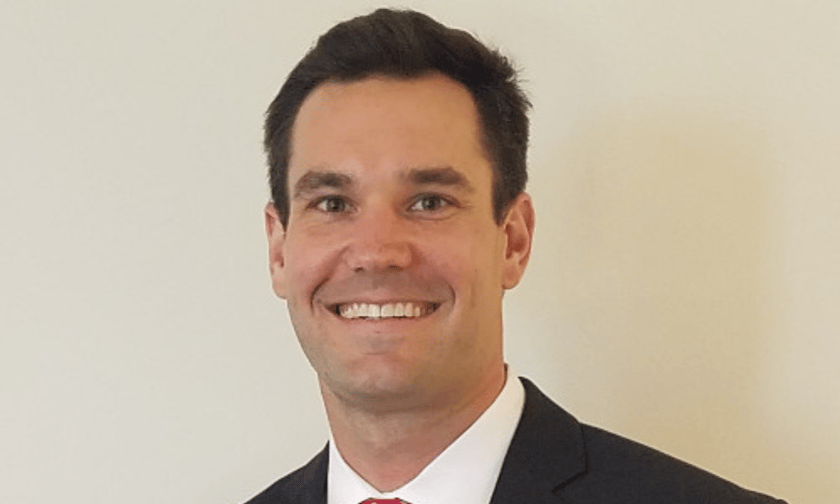
Brian McKeon (pictured above), managing director at Howden Re, said reinsurers are pursuing measured growth, particularly among carriers that had previously scaled back.
“More reinsurers support full program structures, especially where multiple property products are purchased at the same inception date, in the hope of influencing catastrophe occurrence signings,” McKeon said.
(AC) Global reinsurance market trends at the Jan. 1, 2025, renewals set the stage for mid-year activity, with average property catastrophe reinsurance rates declining by 8%. Loss-free accounts in the US and Europe experienced even steeper reductions of up to 15%.
These rate movements reflect a market dynamic where improved capital positions and moderated loss experience enabled reinsurers to offer more competitive pricing without broadly loosening underwriting standards.
In Florida, reinsurers appear confident in recent legal reforms. Restrictions on assignment of benefits (AoB) and litigation reforms remain largely intact, with legislative efforts to overturn them proving unsuccessful. This has supported continued, selective appetite for Florida risk.
Even as pricing eased, increased demand absorbed the new capacity, driven by depopulation efforts at Citizens Property Insurance Corporation and the emergence of new domestic insurers.
The Florida Hurricane Catastrophe Fund’s (FHCF) retention level rose by 20%, reaching a projected US$11.3 billion for 2025. As a result, cedents sought private market solutions for lower program layers. Increased interest from traditional reinsurers helped mitigate rate pressure in these areas, as these layers are now viewed as more attractive after several years of caution.
David Flandro, head of industry analysis and strategic advisory at Howden Re, said that capital is more abundant and diverse, though it is being deployed with caution, particularly below the FHCF where pricing remains firm.
“At the top of towers, ILS are providing flexibility and competitive tension, marking a shift from crisis to calibration. This is a function of a stabilizing market,” Flandro said.
What are your thoughts on this story? Please feel free to share your comments below.



