
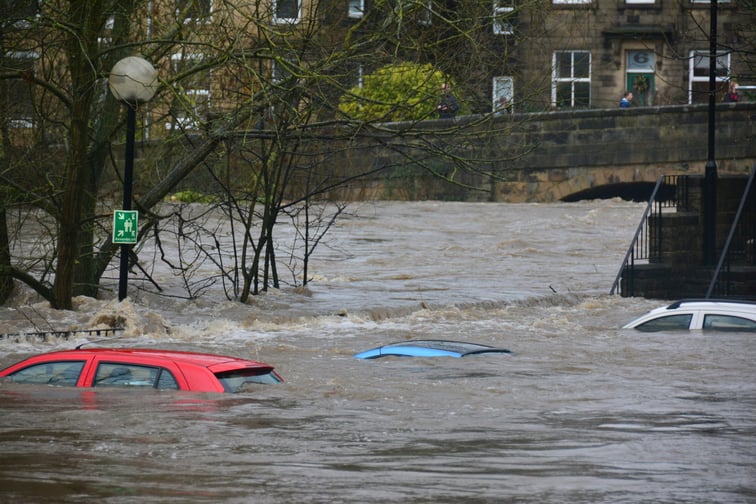
Insurance providers and emergency management agencies are mobilising in response to recent severe weather events that have affected the upper regions of both the North and South Islands.
Communities in these areas are beginning the process of cleanup and restoration after storms caused significant damage, compounding challenges for residents still recovering from earlier weather incidents.
Kris Faafoi, chief executive of the Insurance Council of New Zealand (ICNZ), acknowledged the difficulties facing affected communities.
“This is tough for communities that were just beginning to get back on their feet after recent major storms,” he said.
He advised residents to start recovery activities as soon as it is safe while noting that immediate insurance claims may not be possible for everyone.
“It’s important to note that any new damage from this latest weather event will require a separate insurance claim,” Faafoi said.
Faafoi also emphasised the importance of taking prompt action to prevent further loss, stating that necessary steps to mitigate additional damage should not be delayed, provided it is safe to do so.
“While it’s important to contact your insurer as soon as you can, don’t delay necessary steps to prevent further damage if it’s safe to act,” he said.
To assist those impacted, the Nelson-Tasman Emergency Management group has reopened a community information centre at the Motueka Rec Centre. Insurance representatives are available at the centre to provide guidance and support to residents.
ICNZ has issued several recommendations to streamline the claims process and ensure safety:
For those whose homes are uninhabitable, many home and contents insurance policies include provisions for temporary accommodation.
Policyholders are encouraged to contact their insurer to discuss available options.
Insurers are also managing claims under NHCover on behalf of the Natural Hazards Commission (NHC).
Faafoi highlighted the ongoing risks associated with climate change, noting that New Zealand faces increased exposure to climate-related events. He reiterated the insurance sector’s call for a coordinated national approach, led by the government, to reduce risk through careful development planning and investment in resilience infrastructure.
“New Zealand is highly vulnerable to climate-related events, and we know that natural disasters are likely to become more frequent and severe,” he said. “We have consistently called for a collective nationwide approach, led by government, to reduce risk by avoiding development in high-risk areas and investing in resilience infrastructure like stopbanks.”
Meanwhile, ASB has announced a suite of support options for customers impacted by the recent storms.
The bank is offering tailored assistance, including the ability to defer loan repayments or switch to interest-only payments for up to three months.
Customers may also request emergency increases to credit card limits and overdraft facilities.
Eligible business and rural clients can access working capital up to $100,000.
Personal customers can reach ASB’s support centre by phone or email, while business and rural customers are advised to contact their relationship manager or use the dedicated support line.
A recent report commissioned by IAG New Zealand estimates that $64 billion has been spent on natural disaster response in the country since 2010.
The analysis indicated that the majority of this expenditure has been allocated to recovery, with limited investment in preventive measures.
According to the report, central government allocated $19 billion to disaster response over the past 15 years, with an additional $14 billion distributed through public insurance channels.
Private insurers contributed $31 billion, making up the remainder of the total.
On average, this equates to $5.5 billion per year in inflation-adjusted terms, with government contributions accounting for approximately half.



