
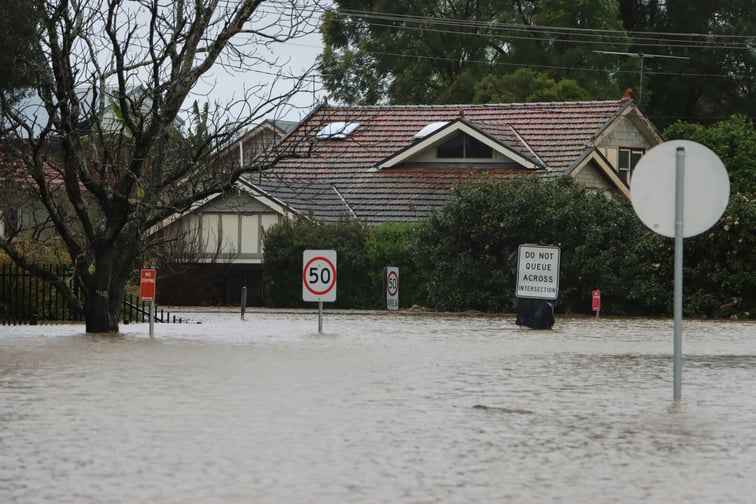
As of Monday morning, the three brands – under IAG New Zealand – had logged 373 claims spanning residential, contents, motor, and commercial insurance categories.
The current distribution of claims reflects the breadth of damage types reported:
Stephannie Ferris, executive general manager, claims at AMI, State, and NZI, said the insurers are preparing for an increase in lodged claims as people return to inspect their properties.
In Motueka, a Civil Defence community hub has been established at the Recreation Centre on Old Wharf Road. Claims consultants from the insurers will be on-site through Tuesday from 9am to 4pm to assist affected residents.
“We’re here to pay claims; it’s what we do. While photos are always helpful, they should only be taken when it is safe to do so. Storms can be incredibly difficult for families, and it’s important to prioritise your safety and then give us a call when you’re somewhere safe,” Ferris said.
She added that safety remains a top priority and encouraged customers to contact their insurer only when they are in a secure location.
“We encourage customers who are safe and out of immediate danger to contact us so we can provide essential support such as emergency temporary accommodation and payment support for customers staying with family or friends and to lodge any claims,” Ferris said.
AMI and State customers can file claims online or via phone, while NZI policyholders are advised to coordinate through their brokers.
If property damage includes land subsidence or erosion, the insurers will handle the necessary submissions to the Natural Hazards Commission as part of the claim.
Policyholders are advised to document damage if safe, begin cleanup to prevent further loss, and wear protective equipment when handling flood-damaged items.
Power should only be reconnected after an electrician’s assessment, and vehicles affected by flooding should not be driven.
Temporary accommodation options and financial support are available for those displaced, with arrangements covering not just families but pets as well.
For damaged vehicles, towing will be arranged, and customers are advised to remove personal items and secure the vehicle before collection.
New research commissioned by IAG New Zealand and carried out by Ipsos in May 2025 highlighted evolving attitudes toward climate risk and insurance affordability.
The survey found 90% of respondents believe extreme weather events – such as floods and storms – are becoming more frequent due to climate change.
Regarding insurance pricing, 60% of participants supported premiums based on individual risk exposure. While 71% acknowledged the likelihood of higher premiums in high-risk locations, only 17% favoured subsidised insurance for those areas.
Conversely, just 10% viewed uniform pricing as fair. Nearly half (45%) preferred risk-reflective premiums that align with specific property exposures.
Amanda Whiting, chief executive of IAG NZ, said the industry faces pressure to reconcile fair pricing with access to cover in at-risk communities.
“Recent and regular weather events are still fresh in people’s minds and continue to have a profound effect on the country, highlighting for many the very real impact that our changing climate is having on our communities,” she said.



