
Brokers today are being asked to take on more roles than ever – many of which fall outside their traditional training or expectations. To continue thriving and maintaining strong client relationships, the industry needs a broader, strategic rethink of the broker’s role.
Adaptability, emotional intelligence, a commitment to exceptional service, and a willingness to grow alongside a fast-evolving market are now essential to success.
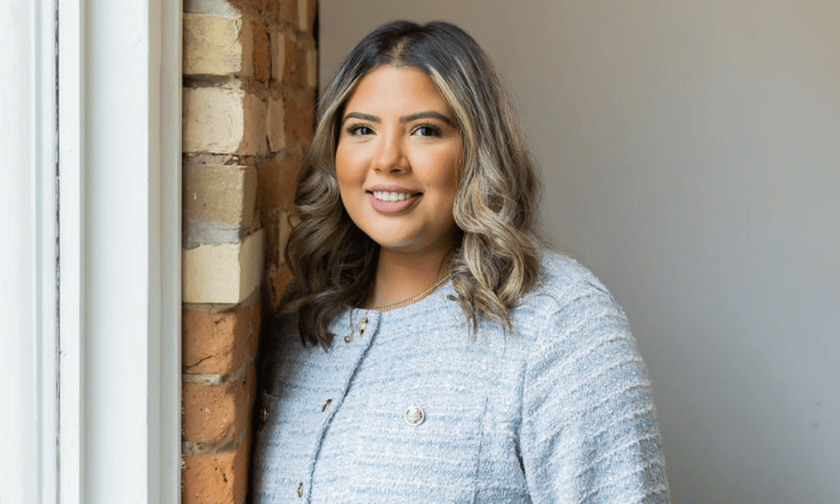
Aneeza Ahmad understands that balancing act firsthand. Before stepping into her current role as broker distribution manager at Tokio Marine Canada, she led commercial risk placement and new business at KASE Insurance.
She was also named Insurance Broker of the Year at the 2024 Insurance Business Canada Awards, receiving the prestigious Cansure Award.
With nominations now open for this year’s Insurance Business Awards, it’s the perfect time to recognize peers who are setting new standards in service, innovation, and leadership. Nominate someone deserving today.
In today’s environment, brokers aren’t just selling coverage – they’re juggling multiple high-stakes roles, often without the resources or time to do each one justice, Ahmad said. That ever-growing list of responsibilities is pushing many to their limits.
“I think brokers right now are getting squeezed on a lot of different fronts. They're expected to be risk advisors, educators, client service experts, and even IT support,” she said.
On top of that, brokers must constantly monitor market cycles, adapt to regulatory changes, and stay responsive to client needs in real time. That pace leaves little room for long-term thinking.
“Finding time for strategic planning is one of the biggest challenges,” Ahmad said. “So much of the day gets swallowed up by admin tasks or putting out fires that it becomes difficult to step back and look at how to grow your book of business or deepen relationships.”
Now, in her role on the carrier side, Ahmad says she is focused on lightening that load. As broker distribution manager at Tokio Marine Canada, she’s working to give brokers access to tools and insights that help them focus on serving their clients.
Ahmad believes the most successful brokers today are those who combine traditional skills with a more holistic mindset – one rooted in empathy, curiosity, and an openness to change.
“Being successful as a broker comes down to a few key things: adaptability, emotional intelligence, and a genuine commitment to service,” she said.
The market, she added, moves fast, so the brokers need to be open to learning whether that means new technology, shifting client expectations, or emerging risks.
At the same time, she stressed that relationships remain at the heart of the business. Building trust, having tough conversations, and truly listening to clients are all essential to long-term success.
“Emotional intelligence is an underrated skill, but it’s so important,” she said.
Ahmad also pointed to curiosity as a defining trait among standout brokers. The best professionals, she said, dig deeper into their clients’ needs and ambitions, asking questions that go beyond the surface.
“A lot of brokers will ask what a client is doing right now – what their revenues or operations look like today,” she said. “But an excellent broker will go further and ask: What are your plans for the next five or ten years? Where are you headed? That kind of long-term thinking shows clients you’re invested."
As the insurance industry looks to attract a new generation of talent, Ahmad believes a major shift in perception is urgently needed.
“I really think we have a bit of a perception problem in insurance,” she said. “When people think of this industry, they picture beige offices and endless paperwork. They don’t necessarily think of innovation, strategy, or relationship-building.”
To shift that narrative, Ahmad said the industry must become better storytellers – showcasing the real-world impact brokers and underwriters have on people’s lives and businesses.
“It’s about sharing the moments that matter – how a broker helped a client recover after a fire, or how an underwriter created a custom solution for an emerging industry that couldn’t get coverage otherwise,” she said. “Stories like that would really attract more talent."





