
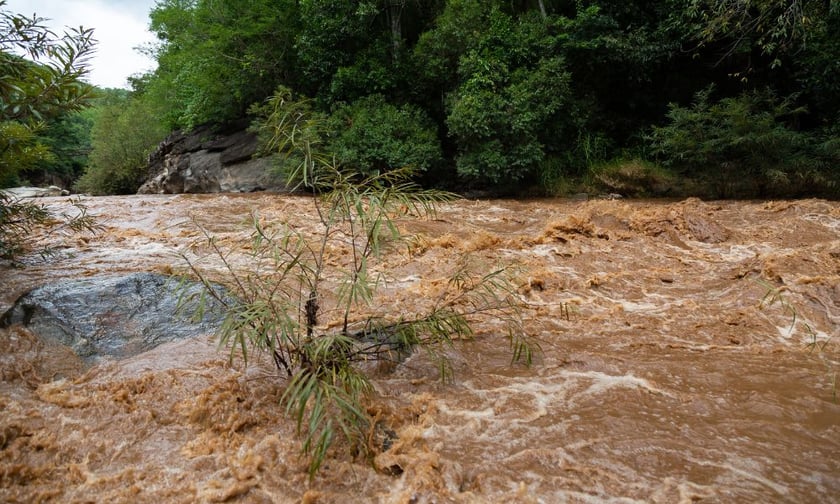
Flash flooding across Toronto and the Greater Toronto Area on July 16 last year caused close to $1 billion in insured damage, according to the Insurance Bureau of Canada (IBC).
The event contributed to what is now the most expensive year for insured losses in Canadian history, with total payouts exceeding $9 billion.
The floods, which led to widespread property damage and prolonged power outages, affected homes, businesses and vehicles across the region. IBC said the speed and intensity of the rainfall underscored the growing risk of severe weather events, particularly flash flooding.
“Insurers were there for their customers – and always will be – but this event reminds us all of the importance of being prepared for the worst,” said Amanda Dean, vice-president, Ontario and Atlantic, IBC. “Flash floods, like wildfires, can often occur with little to no warning. Taking proactive steps to prepare for a severe weather event is not only important for your personal safety, but for your financial security. IBC wants to ensure residents across Ontario are fully prepared for the potential hazards posed by extreme weather events this summer.”
IBC advised homeowners to take a range of preventative measures to limit the risk of water damage, including clearing downspouts and storm drains, checking sump pumps and backup power supplies, relocating valuables from basements , and avoiding travel on flooded roads. The group also encouraged residents to review their insurance policies to understand what types of damage are covered.
Standard home insurance policies typically exclude overland flood damage, which must be purchased as optional coverage. This may include protection against surface water from heavy rain, overflowing lakes or rivers, and groundwater seepage. Water damage from sewer backup and damage to vehicles caused by water or wind also generally require optional add-ons, such as sewer backup or comprehensive auto coverage.
Power outages may also result in food spoilage, and some policies cover the cost of replacing contents in refrigerators and freezers. In cases where homes are deemed uninhabitable due to insured damage, policyholders may be eligible for additional living expenses.
While individual preparation can help limit losses, Dean said governments must also address long-term resilience. “Severe weather is getting worse and while there are steps consumers can take to help mitigate risk and damage, governments also have a major role to play to protect Canadians,” she said.
IBC is also calling on all levels of government to restrict new development in high-risk flood and wildfire zones, strengthen community flood defences, support homeowners’ retrofits and invest in emergency preparedness and recovery.
Municipal infrastructure upgrades, such as larger bridges and expanded sewer systems, are also seen as critical to managing future risks. Ontario’s conservation authorities continue to play a role in issuing flood and weather warnings, IBC said.





