
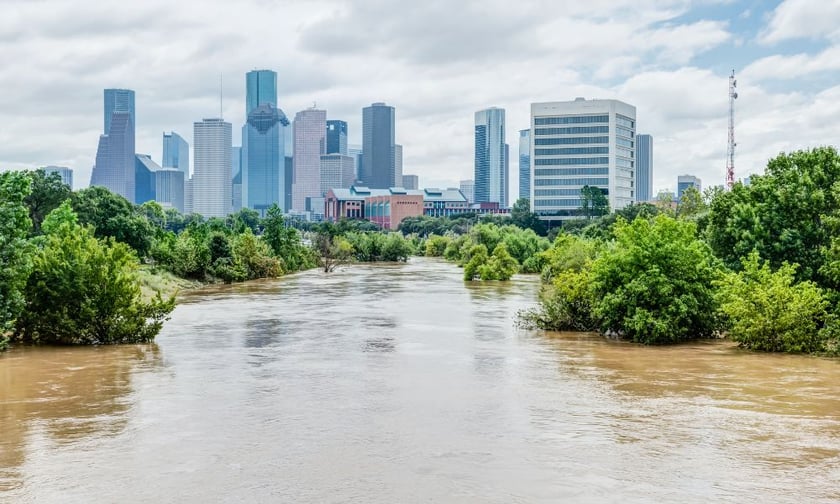
Canadian summer camp organizers say they are reassessing their emergency preparedness plans after a deadly flash flood in Texas killed more than two dozen campers and staff. According to a report from The Canadian Press, the incident at Camp Mystic has sent shockwaves through the summer camp community, prompting a renewed focus on safety procedures across Canada.
“I would be shocked if there aren’t a lot of people that are looking at this and taking pause,” said Brad Halsey, a summer camp director north of Edmonton and board vice chair of the Alberta Camping Association. “I am pausing and questioning, ‘Are our policies up to snuff?’”
While Alberta camps face different risks, such as wildfires, Halsey stressed that emergency planning principles remain the same. “Do leaders know where to go? Do we have the muster points? Do we have the evacuation plan in place? And have we practised it?”
He said member camps of the Alberta Camping Association – a voluntary regulatory body – are required to have detailed crisis and disaster plans, trained staff, and records of practice drills. The association represents more than 40 camps in the province.
“There’s a bit of a nuance ultimately depending on the needs of that community,” Halsey said, noting location-specific factors such as nearby water bodies influence how plans are designed.
Most provinces have their own regulatory bodies similar to Alberta’s. In Ontario, camps must follow safety legislation and are often subject to additional oversight.
“In Ontario, I could safely say that we have put our heart and soul into emergency and crisis preparedness,” said Eric Shendelman, past president of the Ontario Camps Association and a swim safety expert based in Toronto, in an interview with The Canadian Press. He noted that the Texas disaster has led Canadian camp directors to reassess their own readiness.
At Bar Harbour Camp in Alberta, co-director Darielle Rairdan said the incident has reinforced the importance of preparedness. “We don’t just talk about these things to talk about them,” she said. “If something like that happens, you need to know what we’re doing.”
Though wildfires are the primary threat, Rairdan said planning and drills must account for all possibilities. “We need to make sure that we know what we’re doing so that, if we do happen to have a huge wildfire, we don’t end up in a situation like that where we have all these casualties.”
How prepared do you think Canadian summer camps are for emergencies? Share your insights in the comments below.





