
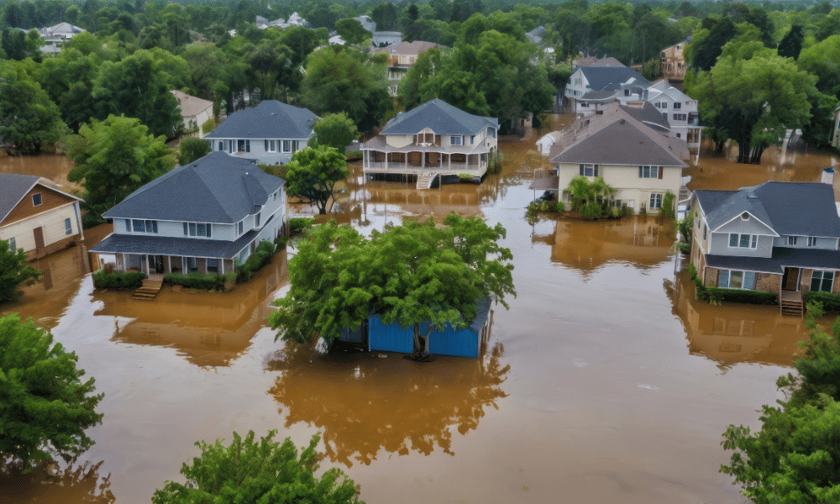
Homeowners and drivers impacted by the latest flooding events in Canada are being urged by the Insurance Bureau of Canada (IBC) to immediately contact their insurers, document all damage, and confirm whether optional water damage coverage was included in their policies.
Pierre Babinsky, IBC’s director of communications and public affairs, advised that reporting the incident to the insurance provider is the first necessary step. He also said policyholders should document losses and take steps to prevent further damage where possible.
According to IBC, home insurance policies cover certain types of water damage only if optional coverage was purchased. This includes damage caused by sewer backups, water infiltration through roofs, windows, doors, or foundations, and flooding resulting from the overflow of rivers or other bodies of water.
IBC detailed three categories of water damage coverage under home insurance:
Coverage availability, underwriting criteria, and limits differ by insurance provider. IBC recommends that policyholders verify their coverage details directly with their insurers if they have experienced damage.
For automobile insurance, IBC stated that flood damage is typically covered if the vehicle is insured under "all perils," "comprehensive," or "specified perils". These forms of coverage are commonly held by many drivers.
If a home is rendered uninhabitable due to flooding, IBC noted that insurance policies may cover additional living expenses such as accommodation, food, and transportation during the repair period. Policyholders should confirm the maximum reimbursement limits with their insurers.
IBC also provided steps to manage property safely after flooding if no immediate danger exists:
Policyholders are advised to keep receipts and take photos of all damages and items discarded to support their claims. Additional information is available at infoassurance.ca.
What precautions or insurance protections has your household or workplace established to address potential flood damage?





