
WTW is drawing attention to the insurance industry’s expanding responsibilities as global energy markets shift toward low-carbon solutions.
The firm’s recent analyses indicate that both nuclear and renewable energy projects are prompting insurers and brokers to adapt their risk management strategies and develop new insurance products to address sector-specific exposures.
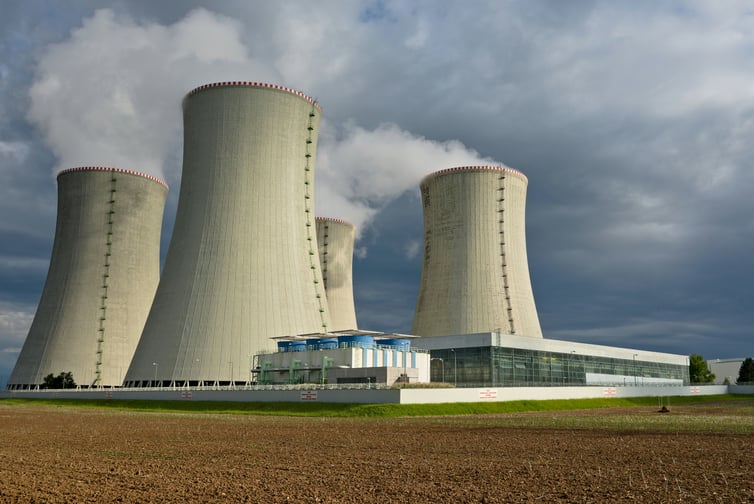
Nuclear power is being positioned as a key element in decarbonisation efforts, offering consistent electricity supply and reducing reliance on fossil fuels.
WTW noted that international collaboration in nuclear technology is contributing to advancements in safety and operational standards while also supporting non-proliferation objectives.
Safety remains a primary concern for nuclear projects. The industry has responded to historical incidents by adopting stringent safety protocols and investing in advanced reactor designs, such as small modular reactors (SMRs).
These innovations are intended to improve operational reliability and reduce the likelihood of significant incidents.
The regulatory environment for nuclear energy is complex and involves oversight from multiple authorities.
In the US, recent bipartisan support has led to some streamlining of regulatory processes, making it easier for projects to secure approvals.
However, WTW emphasised that maintaining rigorous safety standards is essential for public trust and environmental protection.
According to WTW, insurance plays a role throughout the nuclear project lifecycle:
WTW reported that while standalone cost-overrun insurance is not widely available for nuclear projects, brokers and insurers are working to create customised solutions.
In the meantime, project sponsors are encouraged to manage risk through early design finalisation and collaborative project management.
The use of predictive analytics and other technological tools is becoming more common for monitoring project risks and identifying potential issues early.
Managing subcontractor performance through robust contracts and regular evaluations is also a focus.
Early and ongoing engagement with insurers is seen as essential to aligning risk management strategies with project objectives.
WTW suggests that cross-sector collaboration may lead to further innovations in insurance products, supporting the long-term sustainability of nuclear energy projects.
WTW’s 2025 Renewable Energy Market Review found that Australia’s renewable energy sector has expanded by 7.5 gigawatts over the past year, with growth coming from both large-scale power stations and small-scale rooftop solar installations.
As renewable energy projects multiply, insurers are adjusting their underwriting approaches.
The sector is experiencing increased claims, more frequent extreme weather events, and the introduction of new technologies.
John Rae, regional renewable energy leader at Willis Natural Resources, Pacific, said insurers are becoming more selective in evaluating renewable energy assets.
“The insurance market for these assets is under pressure due to mounting claims, extreme weather events, and ever evolving technology risks,” he said.



