
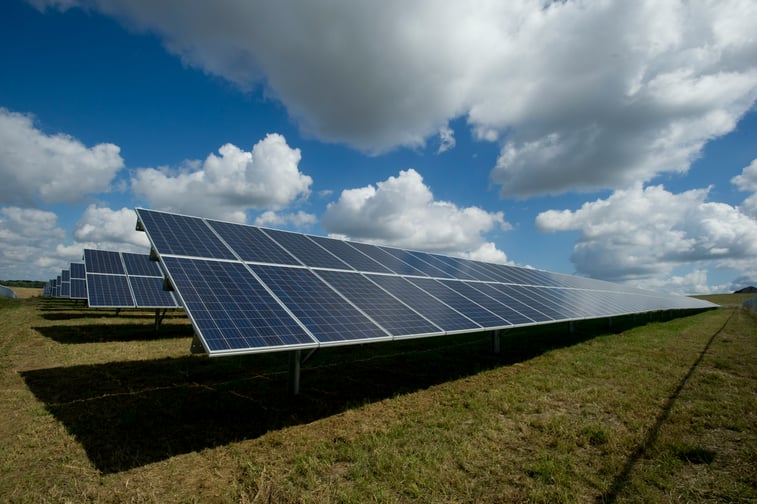
WTW’s 2025 Renewable Energy Market Review reported that Australia’s renewable energy sector continues to expand, with an additional 7.5 gigawatts (GW) of capacity added in the past year.
This includes 4.3 GW from large-scale power stations and 3.2 GW from small-scale rooftop solar installations.
As the sector grows, insurance providers are responding to changing risk profiles, including increased claims, more frequent extreme weather events, and the adoption of new technologies.
John Rae, regional renewable energy leader at Willis Natural Resources, Pacific, said insurers are becoming more selective in their approach to renewable energy assets.
“The insurance market for these assets is under pressure due to mounting claims, extreme weather events, and ever evolving technology risks,” he said.
Areas of particular focus include natural catastrophe exposures, older solar farms with less robust operations and maintenance, wind projects in bushfire or cyclone-prone regions, and battery energy storage systems (BESS) with limited thermal controls or insufficient spacing.
The Australian property insurance market has seen an increase in available capacity, following several years of market hardening. This is largely due to greater participation from global insurers.
Projects that demonstrate strong design, effective maintenance, and resilience are more likely to secure favourable insurance terms.
A notable trend is the ongoing oversupply of insurance capacity, which has contributed to continued soft market conditions.
Competition among insurers is driving premiums downward, though underwriters remain cautious, especially when evaluating new or untested renewable energy systems.
The Asia-Pacific region is experiencing similar market dynamics. Both upstream and downstream energy insurers are facing premium reductions, a result of high capacity and relatively low loss activity in recent years.
According to WTW’s April 2025 Energy Market Review, downstream insurers saw lower rates in 2024, but early 2025 claims have already surpassed $1.5 billion. This may affect terms and pricing at upcoming renewals.
Upstream insurance capacity has increased by 5%, reinforcing soft market conditions and encouraging underwriters to take on larger shares of risk.
The introduction of new renewable energy technologies – such as floating solar photovoltaics, hydrogen projects, BESS, and advanced wind turbines – is adding new risk considerations for insurers. These technologies are increasingly present in project pipelines across the region.
Insurers are closely monitoring the risks associated with natural catastrophes, particularly in Southeast Asia, where events such as typhoons and flooding are common.
The evolving risk environment is influencing underwriting decisions and policy terms, prompting both insurers and renewable energy companies to focus on risk management and technical standards.



