
The Tasmanian government’s plans for a state-run general insurer, TasInsure, continues to receive divergent responses. The Tourism Industry Council Tasmania (TICT) and the Tasmanian Chamber of Commerce and Industry (TCCI) have supported the proposal. The insurance industry’s two main peak bodies are strongly against the idea.
Insurance Business is consulting insurance brokers for their views.
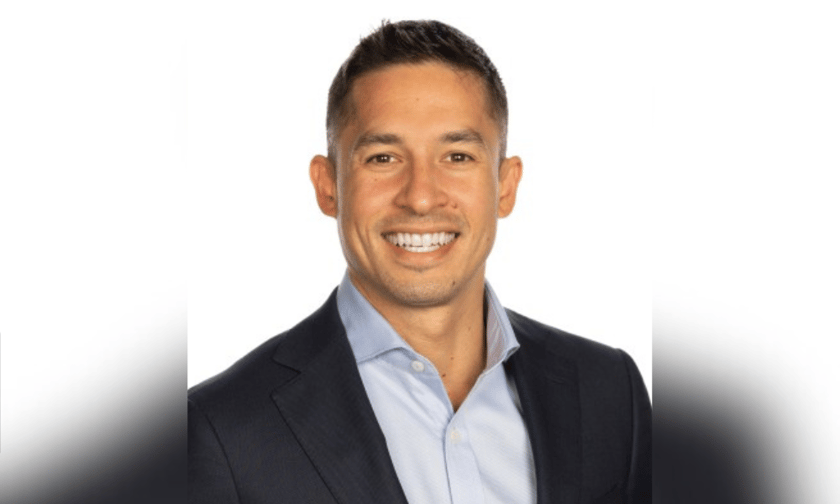
“Frankly, the insurance industry should not be surprised that governments are now stepping in,” said Tyrone Shandiman (pictured). Shandiman is a broker and chair of the Australian Consumers Insurance Lobby (ACIL).
IB asked what ACIL would like to see – apart from the removal of government taxes and emergency levies from insurance premiums – to help Tasmanians suffering insurance affordability and availability issues?
Shandiman referred to the recommendations from the “Select Committee on the Impact of Climate Risk on Insurance Premiums and Availability.”
This Senate inquiry, in May last year, received more than 50 submissions, many from insurance industry stakeholders. The country’s big insurers also gave evidence at the Committee’s public hearings.
He said implementing all these would be “one powerful step.” Shandiman listed some priorities:
The Insurance Council of Australia (ICA) and the National Insurance Brokers Association (NIBA) both publicly backed the Committee’s report but chose to “welcome” the findings rather than explicitly support all eight recommendations.
“Above all, governments must keep sending a clear signal to insurers: If they don’t bring forward meaningful, long-term solutions to address affordability, governments will act—whether through regulation, funding interventions, or public insurance alternatives like TasInsure,” said Shandiman.
Shandiman said insurers should always be given the first opportunity to address insurance market failures or issues of extreme unaffordability.
“However, where they fail to do so, government intervention is not only justified - it becomes necessary,” he said.
The ACIL chair accused insurers of downplaying insurance affordability issues for too long and passing on too much of the responsibility to deal with it to others, like the government. “Such as demanding the government inject $30 billion to make flood insurance viable - while doing little themselves to reduce costs,” said Shandiman.
However, Shandiman doesn’t think that the insurance market has failed in Tasmania – a key accusation made by the Liberal Party. “From a geographic perspective, Tasmania is relatively well-positioned compared to high-risk areas like Northern Australia, which face acute affordability and availability challenges,” he said. “We haven’t seen clear evidence of a widespread market failure in Tasmania.”
Shandiman said it's understandable that some Tasmanians are raising concerns with their local MPs — particularly in pockets where premiums are rising or policies are harder to obtain. “Those localised pressures can still justify scrutiny and targeted solutions, but they don't yet appear to reflect systemic market failure across the state,” he said.
Last week the ICA referred to the “perverse economic and financial outcomes for taxpayers” resulting from “numerous examples” around the world where insurance risks were transferred to taxpayers.
The insurers’ peak body said the Tasmanian proposal “would put significant financial risk on to the public balance sheet while failing to do anything about the underlying causes of insurance pricing.”
NIBA urged caution before considering “any intervention in insurance pricing or the underwriting process.”
“Tasmania presents unique challenges from an insurance risk perspective,” said NIBA’s release. “In such a concentrated market, a single severe weather event or catastrophic loss could materially undermine the viability of any risk pool.”
What’s your view of the Tasmanian government’s proposal.? Please tell us below



