
The government’s National Disability Insurance Scheme (NDIS) is in the process of significant reforms that aim to save billions of dollars and reign in annual costs growth from as high as 20% in recent years, to a more sustainable 8%. Insurance professionals can face many issues finding covers for NDIS stakeholders – one ongoing broker challenge is the way property owners in the NDIS sector own premises that combine both commercial and residential uses.
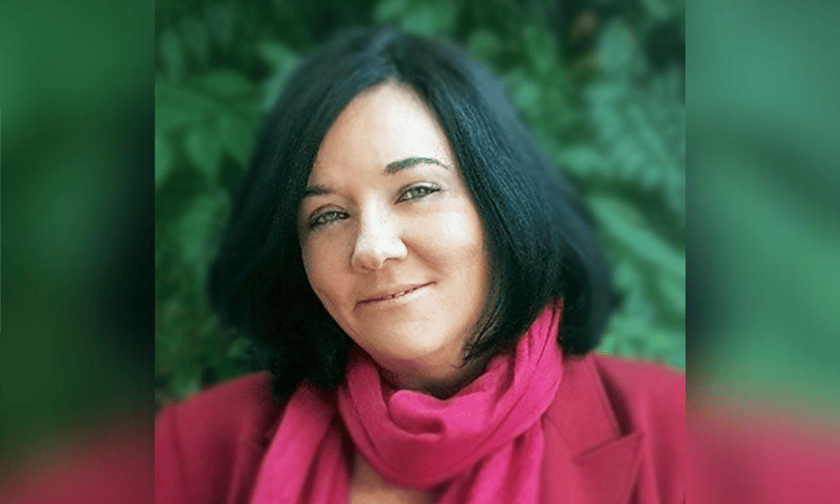
Gida Irving (main picture), director of Amazon Underwriting, said this can result in limited capacity options for brokers and their clients. “Many insurers only offer either a commercial policy or a domestic policy,” said Sydney-based Irving.
Her underwriting agency specialises in insurance for niche markets, including the covers needed by property owners in the NDIS. She said her policies for the sector are relatively novel for offering commercial and domestic cover in combination.
Property owners of NDIS residences – unless they buy separate policies – need property cover that combines insurance for their commercial lease with the often subleased Specialised Disability Accommodation (SDA) or Supported Independent Living (SIL).
SDA refers to housing designed for people with extreme functional impairment or very high support needs. SIL is for people who need some level of help at home but all the time.
Irving said making property owners aware of this insurance complexity can be another issue – and a likely broker opportunity – including the difference between a landlord policy and what they actually require as property owners in the NDIS sector. “Education in the NDIS sector around why a domestic landlord’s policy may not provide the cover they need if there is a sublease arrangement in place is the biggest challenge,” she said. “While a landlord policy may be cheaper there’s no point having it if claims will be denied on the basis there is a sublease arrangement in place.”
She recommended a few topics brokers should discuss with clients who are looking to find cover for their NDIS properties.
“They need to establish if there is a commercial lease in place,” said Irving. “If the property owner has leased their property to a business such as an SDA or SIL then this is a commercial relationship.”
The underwriter said in this situation it is the SDA or the SIL that is subleasing to any NDIS residents.
“If the property owner has in place a residential lease with the SDA or SIL then it leaves them exposed to being taken to the tenancy tribunal if there is a dispute,” she said.
However, a commercial lease mitigates this potential exposure.
Brokers she said, should also make sure any landlord policy actually responds to claims resulting from a sublease. “They should also bring to their attention that a landlord policy may not respond to a claim if a sublease arrangement is in place,” said Irving. “Our NDIS policy has no exclusions in relation to subleasing.”
Are you a broker with clients in the NDIS? Please tell us about some of the insurance challenges below



