
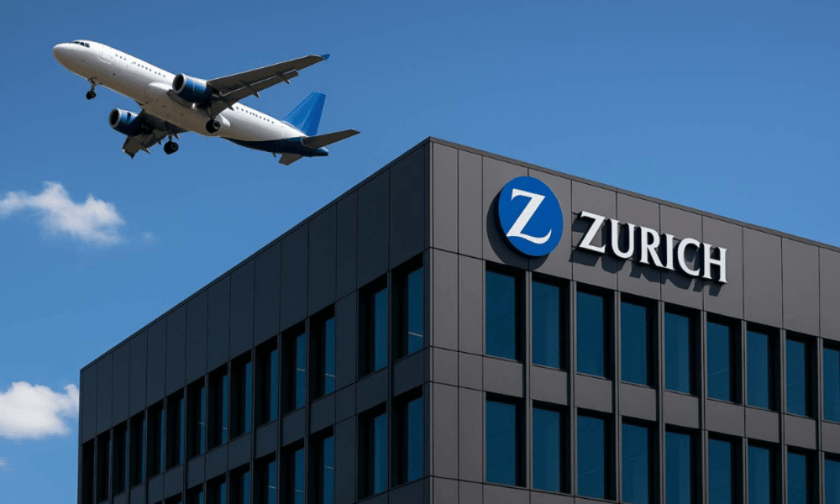
NIB Holdings has formally kicked off the divestment process for its travel insurance division, launching sale documentation to potential suitors amid a broader strategic pivot. Market chatter points to Zurich Insurance Group as the front-runner in what could be a deal worth close to $200 million.
The health insurer, which has provided travel cover under the NIB Travel, World Nomads Group, and Travel Insurance Direct brands, is seeking to streamline operations and redirect capital towards more profitable verticals. Jarden has been appointed as adviser to manage the sale and review options for the unit.
Read more: Zurich tipped as buyer in NIB sale
The move comes as NIB attempts to recalibrate its portfolio following disappointing results in its New Zealand operations and softer profitability in its Australian health insurance business. First-half FY25 profit for the group dropped by more than a quarter to $105.8 million, despite a rise in revenue. Meanwhile, its New Zealand business swung to a loss of NZ$10.9 million, hit by elevated claims inflation and cost pressures.
Rob Hennin, former head of both NIB New Zealand and the travel unit, recently exited the business, leaving Group CEO Ed Close to reinforce a message of capital discipline.
“We remain focused on segments that offer enduring value,” Mr Close said during a recent investor presentation, citing growing contributions from its international health and NDIS businesses.
Zurich, already a dominant force in Australian travel cover through its ownership of Cover-More, is widely regarded as the leading bidder. The Swiss giant has made no secret of its ambitions to consolidate its regional travel footprint, having closed its acquisition of AIG’s Travel Guard portfolio late last year.
However, any deal with NIB could raise concerns for the Australian Competition & Consumer Commission, with Zurich already commanding around 24% of the domestic travel insurance market. Allianz is the current market leader with approximately 25%, followed by NIB at 8.4% and IAG at 2.4%, according to IBISWorld data.
While Zurich's deepened interest signals confidence in the sector’s rebound, it also underscores the competitive tension building within an industry still grappling with rising reinsurance costs and the lingering impact of global travel disruptions.
Read more: Medical claims soar in travel payouts
NIB’s travel unit, which operates as a distributor rather than an underwriter, generated around $20 million in annual EBITDA before the pandemic. Its performance has since declined, with half-year earnings for FY25 dipping to just $1.9 million.
Despite those headwinds, the business holds appeal for acquirers seeking brand equity, digital capability, and direct-to-consumer market access. Generali Group has also been floated as a possible participant in the process, although its intentions remain unconfirmed.
Industry experts say the potential sale marks a broader retreat from non-core insurance activities as operators seek to sharpen focus and optimise returns in a capital-intensive environment. Across the sector, there’s increasing emphasis on digital transformation, modular product design, and embedded distribution channels—particularly for travel products.
The Australian travel insurance market, valued at over $11 billion in 2024, is expected to continue its rebound, bolstered by renewed outbound travel and rising consumer awareness of risk. However, profitability is under pressure. Escalating medical and repatriation costs are forcing underwriters to reprice risk and rethink coverage models.
Moreover, digital-native competitors and aggregator platforms are intensifying price competition.
Should the Zurich deal proceed, it would represent a significant consolidation in the local market and provide Zurich with new avenues for cross-market expansion, particularly in the US and Australia. For NIB, an exit would free up capital to invest in core health operations, where margins are proving more resilient.
As Australia’s travel sector regains momentum post-pandemic, the competition among travel insurers remains fierce. From global giants to digital-first disruptors, the domestic market is defined by a mix of legacy partnerships, agile online players, and a growing emphasis on embedded distribution. Here's a closer look at the major names shaping the market.
Leading the pack is Cover-More, owned by Zurich Insurance Group. Since its $741 million acquisition in 2017, Cover-More has solidified its position as Australia’s largest travel insurer. The business operates an expansive distribution network across airlines, travel agents, and online booking platforms. Notable relationships with Flight Centre and Medibank, and former arrangements with NIB, have bolstered its reach, giving Zurich a commanding share of the market.
Allianz Global Assistance, a subsidiary of the German financial services heavyweight Allianz SE, is another key pillar in the space. Offering broad coverage through both direct-to-consumer channels and large-scale corporate partnerships, Allianz has struck long-term alliances with the likes of Qantas and Westpac. Its white-labelled offerings ensure significant market penetration, particularly among frequent flyers and high-value customers.
NIB Travel remains a major player, though the future of the unit is uncertain as parent NIB Holdings considers a sale. The division includes well-known brands such as World Nomads Group, Travel Insurance Direct (TID), and nib Travel itself. While once a fast-growing arm of the business, its fortunes have waned since the pandemic, prompting a strategic review. Zurich is widely speculated to be circling the assets, which could further consolidate its dominance if a deal proceeds.
Southern Cross Travel Insurance, part of New Zealand’s Southern Cross Health Society, has carved out a niche in the online market. Known for its strong customer service and competitive pricing, SCTI appeals to value-conscious Australian travellers, particularly those buying direct rather than through intermediaries.
Among the more digitally agile providers, InsureandGo, owned by Spanish insurer MAPFRE, has gained ground through direct-to-consumer channels. Its focus on high-volume digital distribution and streamlined pricing appeals to price-sensitive and tech-savvy consumers. It has become one of the most visible brands in the Australian online insurance space.
Medibank Travel Insurance, meanwhile, operates through a partnership with Cover-More, which serves as its underwriter. Leveraging the strength of its health membership, Medibank markets travel policies as a value-added extension of its core insurance offerings—often integrated into broader loyalty programs.
Qantas Travel Insurance is also aligned with Allianz Global Assistance, and its offering is deeply embedded in the airline’s booking and loyalty ecosystem. Customers booking flights can access policies as part of a seamless checkout experience, underscoring the growing trend of frictionless, embedded insurance.
At the independent end of the market, Fast Cover Travel Insurance has built a reputation as a nimble, digitally-oriented operator. Known for its competitive rates and user-friendly claims platform, it’s a favourite among younger travellers and those seeking simplified cover.
Rounding out the field are the state-based motoring clubs—RACV, NRMA, and others—which continue to offer travel insurance products to their members. These offerings are typically underwritten by larger players such as Allianz or Tokio Marine, and packaged as part of a broader suite of lifestyle and roadside assistance services.



